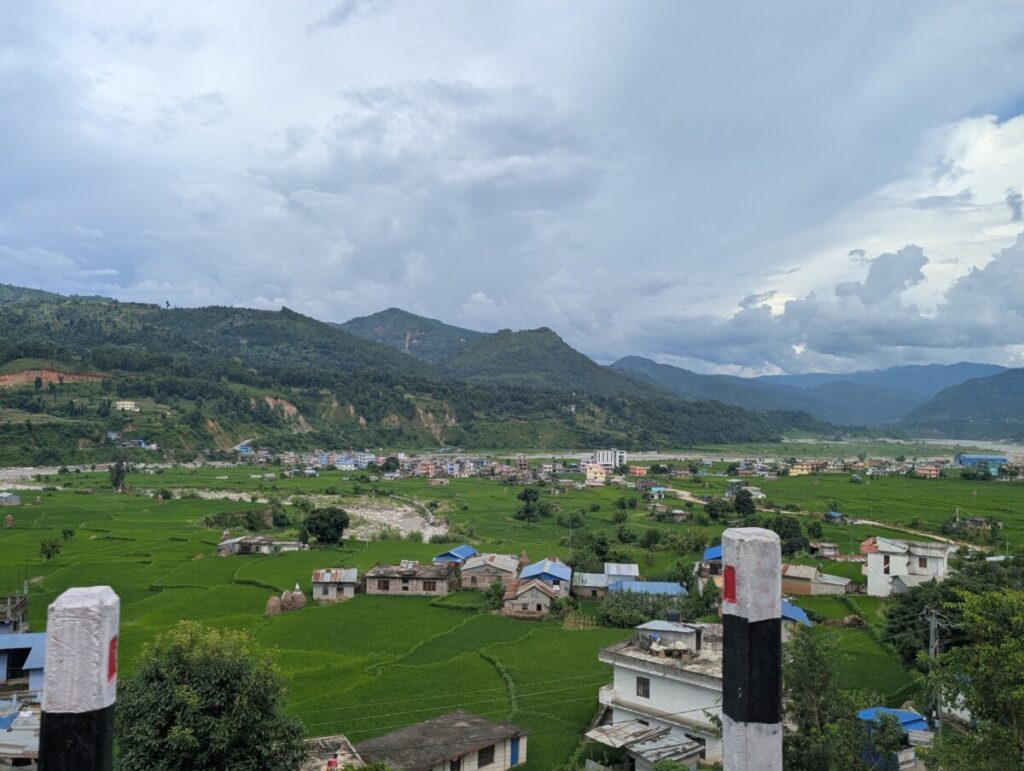
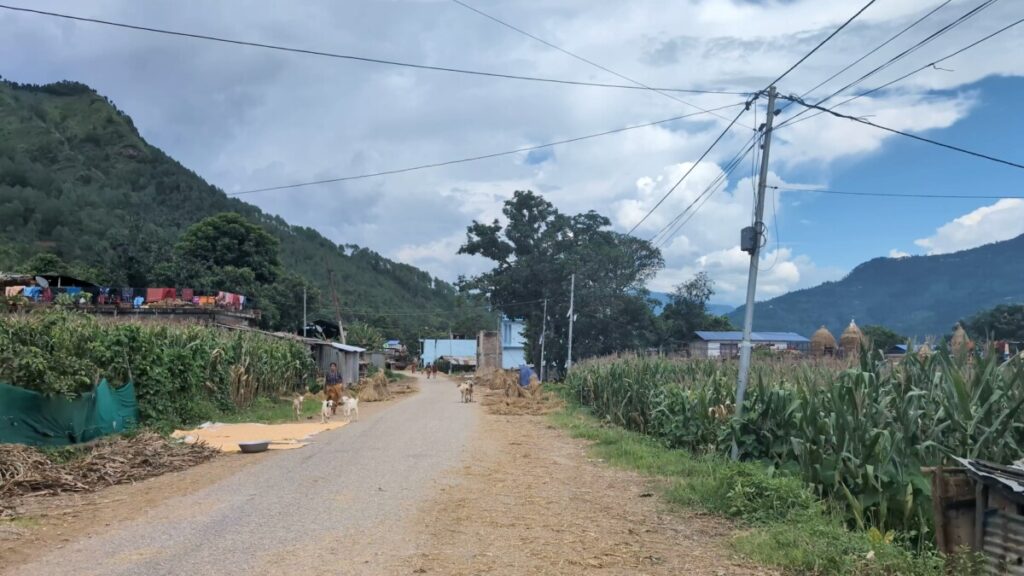
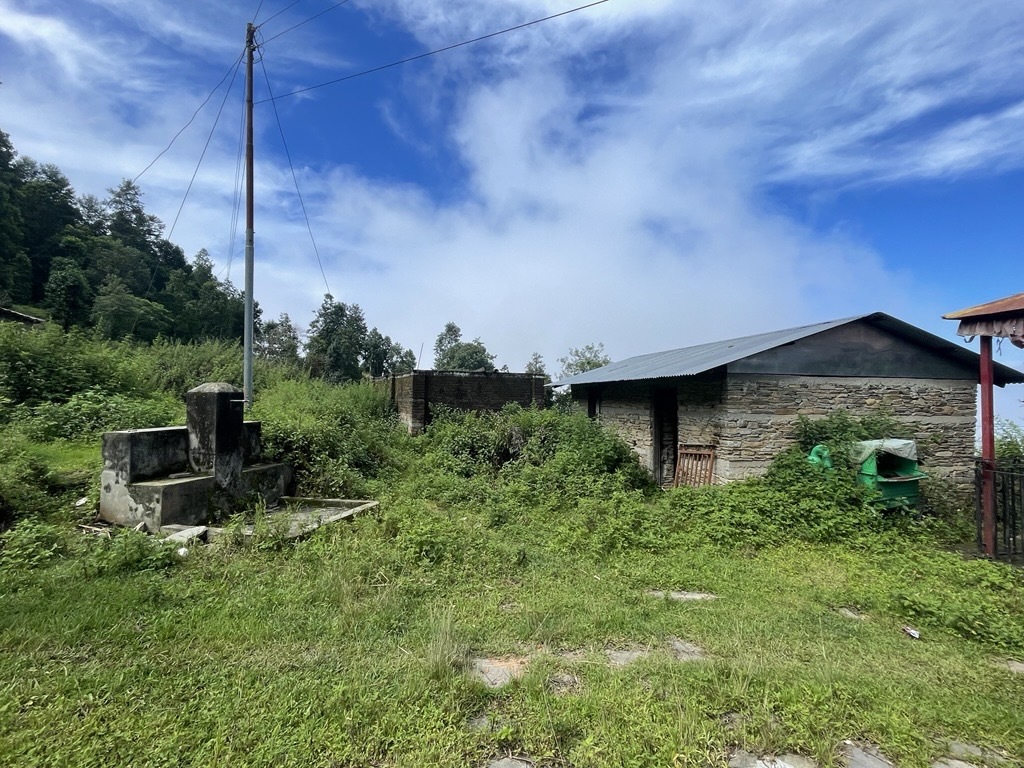
Adorned with lush green hills, Indrawati Rural Municipality of Sindhupalchok, Nepal, is located just under 55 kilometres away from the capital, Kathmandu. The story here is like that of many other mid-hill communities in Nepal. Driven by a mix of obligations and aspirations of a better future, the locals, especially the youth, have out-migrated, leaving the warmth of their home and community to face the unfamiliar challenges that await them at their destination. Locks hang on the doors of some houses, while vacant rooms in other family homes await the return of the residents, who often come back only during festivities or after completing their employment contracts abroad. They are on the move with the hopes and determination of providing themselves and their family a better life, full of opportunities and prosperity, leaving behind their family and friends with the burden of sustaining Indrawati.
From grounded truth to future dreams: a participatory foresight approach
The International Centre for Integrated Mountain Development (ICIMOD) is implementing the SUCCESS project funded by Canada’s International Development Research Centre (IDRC) and Foreign, Commonwealth and Development Office (FCDO), United Kingdom, under the Climate Adaptation and Resilience (CLARE) research programme. As a part of the project, our team visited Indrawati to explore the community’s perception of their new realities and uncover their desired future, amidst the rapid changes shaping their community. The participatory foresight approach was applied to achieve this purpose with two rounds of consultative workshops. Foresight is a label for methods that explore what the future can bring but go well beyond forecasting to understand complexities through an intersectional lens, considering overlapping social, economic, geographic, and demographic factors. Through participatory scenario building, it explores risks and opportunities in alternative futures to prepare and mobilise stakeholders in aligning their efforts and shared goals.
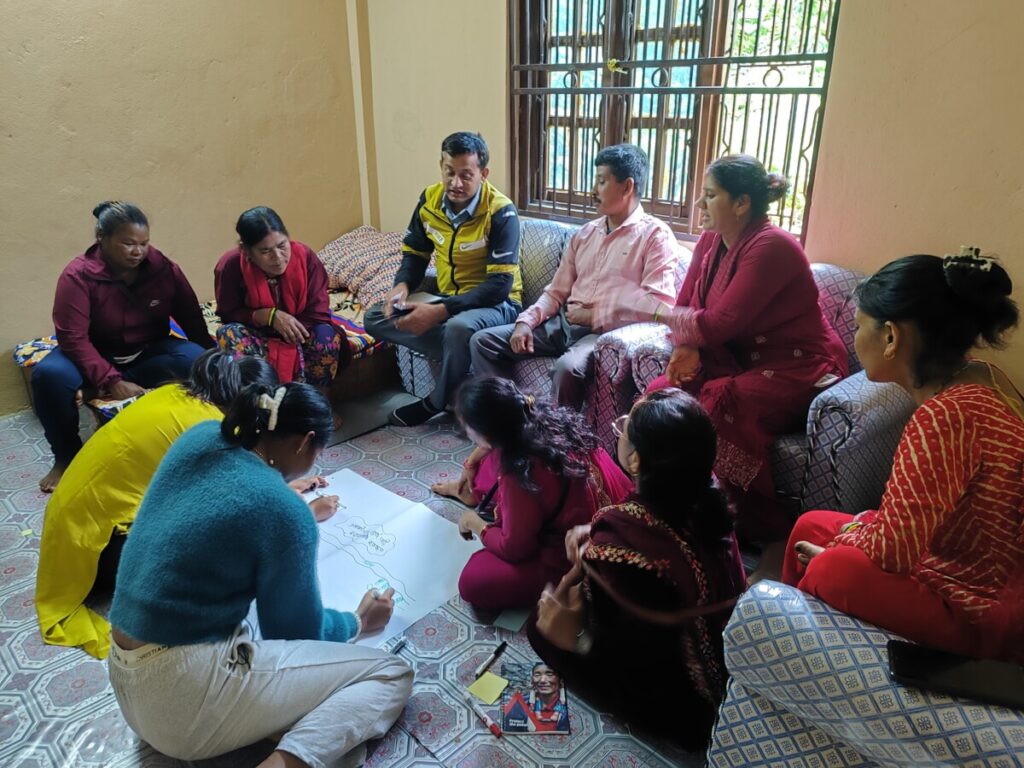
Participation was sought from all the wards of Indrawati, with careful attention to maintain gender and ethnic balance for rich insights and an inclusive perception. Building on earlier scoping work, the consultative workshops helped participants examine key drivers of change and explore emerging trends. With charts in place, the community members enthusiastically sketched their area with familiar landmarks and stories. Farming is at the heart of their lives, despite challenges with commercialisation due to poor roads and limited market access. Their mapping also documented ethnic diversity, scenic tourist spots, and disaster-prone zones, underscoring the community’s potential and vulnerability. Presenting their findings was a point of pride as it showcased a truthful representation of their community and their lived experiences.
Establishing a shared understanding of Indrawati’s current realities
Youth out-migration emerged as a major concern, as their departure has left behind an ageing population that can barely keep up with the intensive field work. Some households are compelled to hire costly farm labourers for the sake of continuing cultivation, but they are rarely worth the return. The additional challenge fuelled by climate change impacts, such as erratic rainfall, drought, flood, and rising crop diseases, has worsened the situation even further. The crops that do grow are often depredated by wildlife such as monkeys, wild boar, porcupines, and deer. This becomes devastating since agriculture is the main source of livelihood in the area. The current trend of decline in agricultural production has become a pressing issue, prompting them to leave a large fraction of their fertile land barren, reinforcing the pressure to migrate and seek alternative employment options.
Alongside these struggles, the community also identified social issues such as child marriage, polygamy, human trafficking, alcoholism, and smoking, coupled with excessive spending habits. These challenges are entrenched by deep-seated ethnic inequalities and systemic failure to enforce laws and uphold social justice, which collectively undermine the community's prospects for sustainable and equitable development. Furthermore, they also noted a profound socio-cultural shift observed in their own homes and communities, attributed largely to migration and growing external influences.
Weaving today’s threads into imagining tomorrow’s realities
The mapping process developed a holistic understanding of Indrawati’s current conditions and the key drivers of change shaping the future – primarily climate change and migration. This laid the groundwork to explore Indrawati’s potential alternative future in the next 25 years through a scenario-building exercise. The resulting trajectories of scenarios were a blend of unsettling, hopeful, and eye-opening insights.
The most probable scenario revealed a sobering trajectory, where life is strained by water, facing both scarcity and destructive excess. The springs that sustain life dry up, and cracked fields become barren. While water recharge becomes essential for agriculture, the monsoon brings landslides and swells the Indrawati River. This cascades into floods that claim lives, fertile lands, and essential infrastructures. In response, the community devises adaptation strategies, such as a shift to tunnel farming and the replacement of traditional rural houses with reinforced concrete structures with air conditioning. This signals necessary modernity, but also a growing dependence on artificial solutions to adapt to a warming world. As living conditions deteriorate, the pressure to migrate intensifies, stripping the village of capable, energetic members, leaving behind an ageing population, eerily empty schools and offices, fractured family and community with strained relations, and eroding social values.
While migration is often blamed as a source of disintegration of rural communities and social values, the participants discovered a more complex reality when envisioning a scenario without migration. Initially, they confidently stated ending out-migration would resolve the labour shortage issue. However, as conversations deepened, they recognised the fundamental issues they would face, like increased water scarcity, overexploitation of resources, growing waste management issues, incidences of landslide and flood, and social issues persisting and even intensifying. They doubted that youth would engage in agriculture despite growth in population, given their changing aspirations. This spurred the community to acknowledge migration’s benefits, particularly remittances and acquired skills.
The rural compass: navigating today’s realities and charting tomorrow’s horizon
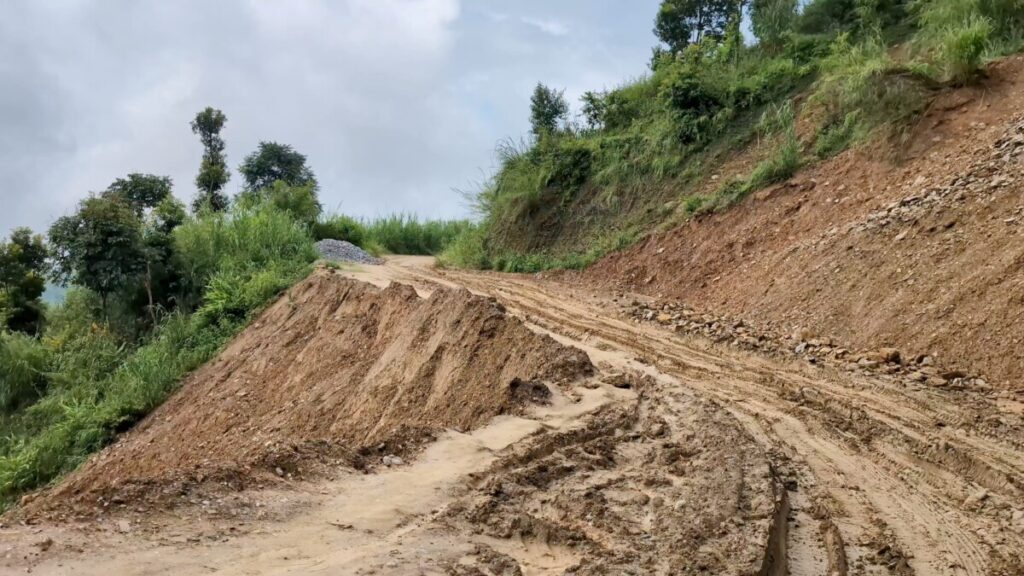
When the community members were prompted to envision an ideal future, they pictured thriving and well-managed settlements with all essential facilities, even age care homes, in anticipation of the growing elderly population. The facilities offered advanced and quality services, so people no longer needed to make long and tiring trips to access services. Black-topped roads wound through the hills, connecting the settlements with reliable transportation. All these infrastructures are designed to be inclusive and accessible for everyone, including people with disabilities.
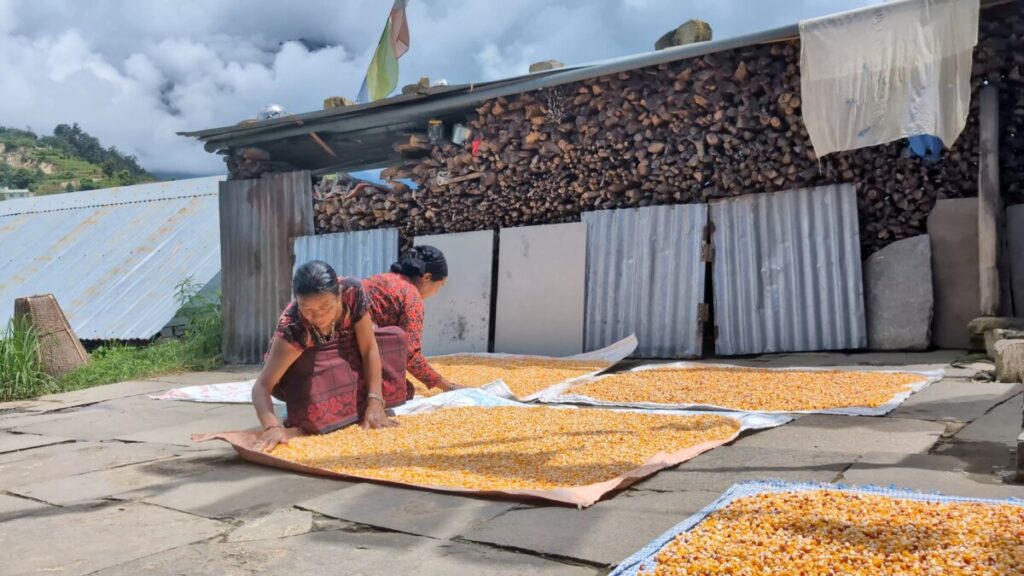
Farming remained central to their livelihood, strengthening Indrawati’s vibrant economy through reliable irrigation, diversification, modernisation, value addition, infrastructure development, such as cold stores, collection centres, and effective marketing of organic products. Beyond farming, local resources fuelled vibrant enterprises, from Dhaka weaving to the processing of medicinal herbs. Development and recognition of their gifted natural resources attracted tourists, creating opportunities for livelihood diversification. The local economic vitality is further fuelled by skill-based learning and skill development centres, building strong foundations for the youth’s career at home. Together, these sectors generate employment opportunities, reduce poverty, and set the community’s progress towards self-reliance, freeing it from dependence on external aid. The community thrives in harmony with nature, sustainably managing resources, and effectively implementing disaster risk management and mitigation strategies. Equality is a core principle of the community, and discrimination of any form, along with social issues, is a matter of the past.
In this prosperous and resilient Indrawati, migration is no longer a compulsion but a matter of choice. People save, invest, and grow together under strong and visionary leadership. The skills and knowledge of Indrawati fuel local prosperity, filling the once vacant houses with warmth and a renewed sense of belonging.
Insights from participatory foresight
The difference between the probable future scenario and the desired rural future is evident. While the probable future may take a grim turn, owing to climate stress, decline of livelihood options, and high out-migration, the envisioned desirable future is one of a thriving Indrawati built upon resilient individuals and community, sustainable resource use, a prosperous and diversified economy, where migration is a choice rather than a necessity. The optimism was visible but intertwined with their feelings of uncertainty. The duality was captured in their vision for age care homes, a concept still foreign in much of Nepali culture, reflecting their deep-seated fear that the elders who spent their lives building the community would one day be left alone, yearning for the care that may never come. Hope and hesitation ground their vision, which is not only about developing Indrawati but also about the belief that the roots people have left behind will one day call them home.
Transformation from the present-day reality to the desired future requires the united effort of all stakeholders. It calls for the community, local leaders, government agencies, academia, media, and development partners to collaborate, aligning resources, policies, and actions towards the common vision. The Future Vision of Indrawati 2050, co-created through a foresight process, serves as a roadmap to navigate risks and uncertainty and a powerful reminder of the collective goal they are working towards. For us, as researchers, we are grateful for the time, trust, and insightful reflections the community shared with us. Moving forward, our role is to determine potential interventions and entry points that can contribute to achieving this vision and ensure our work has a meaningful impact. While the path ahead unfolds, we remain both curious and optimistic about Indrawati’s future and the possibilities it holds.